Q&A With Dr. Tauth: Life After a Heart Attack and Managing Ongoing Cardiac Care
Dr. Jeffrey Tauth answers questions about life after a heart attack: ongoing cardiac care, stents, bypass surgery, and symptoms to watch for in Hot Springs, AR.
Jeffrey G. Tauth, M.D., F.A.C.C.Board-Certified Interventional Cardiologist
Surviving a heart attack is not the end of a cardiac story. For most patients, it is the beginning of a long-term management process that requires ongoing attention, regular monitoring, and in many cases, additional intervention down the road.
Dr. Jeffrey Tauth is a board-certified interventional cardiologist who has practiced in Hot Springs and central Arkansas for more than 30 years. A significant portion of his patient population at Hot Springs Heart and Vascular consists of people managing their cardiac health after a prior heart attack, stent procedure, or bypass surgery.
In this post, Dr. Tauth answers the questions he hears most often from patients who have survived a heart attack and want to understand what comes next.
What happens to the heart during a heart attack?
A heart attack occurs when blood flow through one of the coronary arteries is suddenly blocked, usually because a plaque deposit ruptures and triggers the formation of a clot. When that artery is blocked, the section of heart muscle it supplies stops receiving oxygen. If blood flow is not restored quickly, that muscle tissue begins to die.
The damage is permanent. Heart muscle does not regenerate the way other tissues do. The area affected by the heart attack becomes scar tissue, which does not contract or pump the way healthy muscle does. Depending on which artery was blocked and how long the blockage lasted before treatment, the amount of damage varies significantly from patient to patient.
Does having a heart attack mean I will have another one?
It increases the risk substantially. A patient who has had one heart attack has coronary artery disease by definition, and that disease does not stop progressing after the initial event. The same atherosclerotic process that caused the first blockage is typically occurring in other coronary arteries as well.
Research consistently shows that patients who have had a heart attack are at significantly elevated risk for a second cardiac event compared to people with no cardiac history. That is not meant to alarm. It is the reason ongoing management matters so much. With the right medication regimen, regular monitoring, and timely intervention when something changes, the risk of a second event can be meaningfully reduced.
What does ongoing cardiac care look like after a heart attack?
It involves several things happening in parallel. The first is medication management. Most patients who have had a heart attack are placed on a combination of medications (typically including antiplatelet therapy, a statin, a beta-blocker, and an ACE inhibitor or ARB) that work together to reduce the risk of a second event. Those medications need to be monitored, adjusted when needed, and continued long-term. Stopping them without guidance from a cardiologist is one of the most common reasons patients end up back in the hospital.
The second is regular follow-up testing. How often depends on the individual patient, but the goal is to track how the heart muscle is functioning, whether any new blockages are developing, and whether existing stents are open. Stress tests, echocardiograms, and nuclear imaging are all tools used to monitor this over time.
The third is being responsive when something changes. New chest discomfort, shortness of breath that was not there before, reduced exercise tolerance, or swelling in the legs are all symptoms that warrant prompt evaluation rather than a wait-and-see approach. In some cases, a new or worsening blockage can be identified and treated before it causes another heart attack.
Does a cardiac stent cure Coronary Artery Disease?
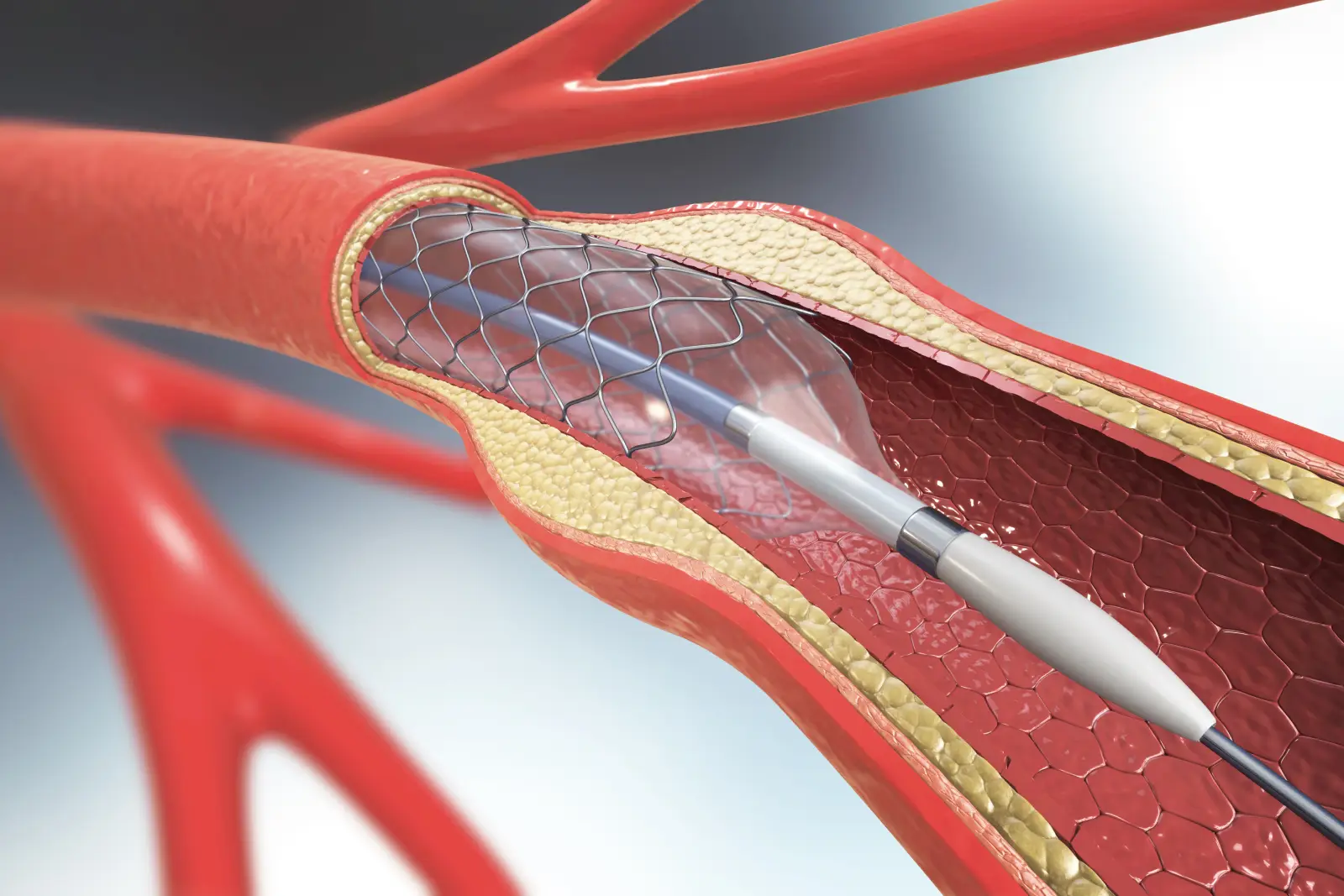
A stent restores blood flow through the blocked artery. It does not cure coronary artery disease or stop the underlying process that caused the blockage in the first place. Stents can also re-narrow over time, a process called restenosis, which is why follow-up monitoring matters.
More importantly, a patient who needed a stent in one coronary artery almost certainly has atherosclerosis developing in the others. The stent addresses the immediate problem. The ongoing management addresses the disease.
Do bypass surgery patients still need ongoing cardiac care?
Yes. Bypass surgery creates new routes for blood to reach the heart muscle by grafting vessels around the blocked arteries, but it does not eliminate the underlying coronary artery disease that made the surgery necessary. Like stents, bypass grafts can develop blockages over time, and the native arteries that were not bypassed continue to be affected by the same atherosclerotic process.
The monitoring approach is similar to that of stent patients: regular follow-up testing, medication management, and prompt evaluation when symptoms change. Some bypass patients require additional catheter-based intervention years after their surgery when a graft or a native artery develops a new blockage. That is a normal part of the long-term management of CAD, not a sign that the bypass failed.
A stent restores blood flow through a blocked artery. It does not cure coronary artery disease or stop the underlying process that caused the blockage.
How does independent cardiology differ from hospital-based care?
The main differences are accessibility and continuity. When one of my established cardiac patients calls the clinic with new symptoms, they reach a staff member at this location who knows their chart and can get them in the same day. There is no automated system, no call center, and no three-day wait for a callback.
Continuity matters particularly for post-heart attack patients because I already know what their coronary anatomy looks like, which artery was stented, and what their baseline function is. When something changes, I can compare it against a known baseline rather than starting from scratch. That context is harder to maintain when patients are shuffled between different providers in a large system.
What symptoms should heart attack survivors watch for?
Always be on the lookout for any of the following symptoms:
- New or returning chest discomfort, particularly with exertion
- Shortness of breath that was not present before or has gotten worse
- Unexplained fatigue that is out of proportion to activity level
- Leg swelling, which can indicate the heart is not pumping as efficiently as it should
- Palpitations or irregular heartbeat that are new or more frequent than before
None of these symptoms should be attributed to normal aging or dismissed without evaluation. In a patient with a prior heart attack, any of them warrants a call to a cardiologist.
How long does a patient need to stay in ongoing cardiac care after a heart attack?
Indefinitely. Coronary artery disease is a lifelong condition. The goal of ongoing management is not to eventually discharge the patient from cardiac care. It is to keep the disease controlled and catch problems before they become emergencies. Some patients are stable for years with minimal intervention. Others require more active management. In both cases, having a cardiologist who knows the full history is what makes a meaningful difference in how that management goes.
How the Vascular Center of Hot Springs factors into your ongoing care
Having the ambulatory surgical center as part of the practice means that if a post-heart attack patient develops a new blockage that requires intervention, we can address it without sending them into a hospital system. The diagnostic evaluation, the catheterization, and the procedure all happen within the same practice. For patients who have already been through the experience of a heart attack and a hospitalization, being able to handle follow-up interventions in a smaller, physician-run setting makes a real difference in how the experience feels.
Schedule an Appointment With Dr. Tauth in Hot Springs
If you have had a heart attack, a cardiac stent, or bypass surgery and are looking for an interventional cardiologist in central Arkansas to manage your ongoing care, Dr. Jeffrey Tauth welcomes new patients at Hot Springs Heart and Vascular. Call (501) 767-4278 directly. A staff member answers the phone, and same-day appointments are available for patients with active symptoms.
Written by
Jeffrey G. Tauth, M.D., F.A.C.C. · Board-Certified Interventional Cardiologist
Interventional cardiologist with more than 30 years in cardiac and vascular care, practicing in Hot Springs and Mena, Arkansas.